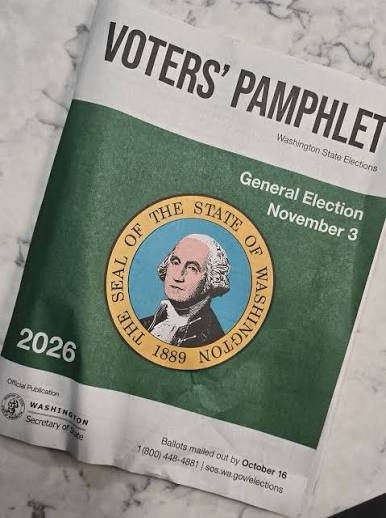
By: Lower Valley Matters
November 4, 2026
The dust won’t fully settle on last night’s election results until a few more days, but we can already say there has been a tectonic shift in the country. The national and statewide headlines point to a “Blue Tsunami” sweeping out Republicans and ushering in new Democratic majorities at all levels of government. Lower Valley Matters is focusing on some election night results that might be of interest to many local residents who have Tejano roots and relatives living in South Texas and the Rio Grande Valley. The Lower Valley’s deep ties to South Texas largely came about in the 1940s during WWII when workers from the area came to Eastern Washington to fill the agricultural labor shortage. Over the next three decades, families with ties to Texas began to settle and establish roots in the Lower Valley. Even U.S. Representative-Elect Bobby Pulido who last night won the seat for the Texas 15th Congressional District in the Rio Grande Valley, has family who lived in Granger. So how did voter sentiment change from 2024 to 2026? Pretty dramatically. Let’s take a closer look.
Last night, Democratic candidates Chelsea Dimas and Ezequiel Morfin showed stunning strength in their respective contests in the 14th legislative district. Following the first batch of ballot returns, each has a commanding 10+ percentage point lead in their races against Republican State Representatives Gloria Mendoza and Deb Manjarrez. The 14th stretches across four counties (Yakima, Benton, Klickitat, and Franklin) and includes all of the cities in the Lower Valley. These results are even more stunning when you look at how Representatives Mendoza and Manjarrez fared specifically in the Yakima County portion of the district in 2024 compared to today. Two years ago, Rep. Mendoza and Dimas faced off for the first time. While Dimas ultimately lost that race, she won Yakima County areas of the district by a razor thin margin of 3 votes and a difference of .01% – a virtual tie (49.63% to 49.62%). Right now in Yakima County, Dimas is ahead by 1,964 votes – 59.73% to 39.75% – a whopping 20% lead. In 2024, Rep. Manjarrez beat Ana Ruiz Kennedy, but she lost in Yakima County by 6.53% in 2024. This year, she’s down by more than 20% to Morfin.
From the Rio Grande Valley to the Yakima Valley, we see some striking parallels. Looking at two specific South Texas counties where many of our readers have roots, Hidalgo and Starr, we see some shocking results. In 2024, President Donald Trump won Hidalgo County with 51% of the vote. Former Vice President Kamala Harris got 48%, resulting in a 3% win for the Republicans. Last night, State Representative James Talarico, the Democrat running for US Senate in Texas, won 72.5% of the vote in Hidalgo County while his Republican opponent, State Attorney General Ken Paxton won 23%. This is a nearly 50% win for the Democrats. The difference can’t be explained by voter turnout alone; the number of people voting is about the same in each election (217,000 in 2024 compared to 202,000 in 2026). In Starr County, a much smaller county, Trump won in 2024 by 15%, but Talarico took the county by 56% last night. These numbers and widespread reversal of voter sentiment from just two years ago are being seen all across the country.
There will be no shortage of analysis in the next few weeks trying to diagnose how this happened. For now, one thing is certain: Latino voters shifted left more than any other racial or ethnic group in this year’s election compared to two years ago, and that is confirmed in the Lower Yakima Valley and the Rio Grande Valley last night.
Tell us what you think. Do you have family in the Rio Grande Valley or in Texas? What are they saying about these election results?


Leave a Reply