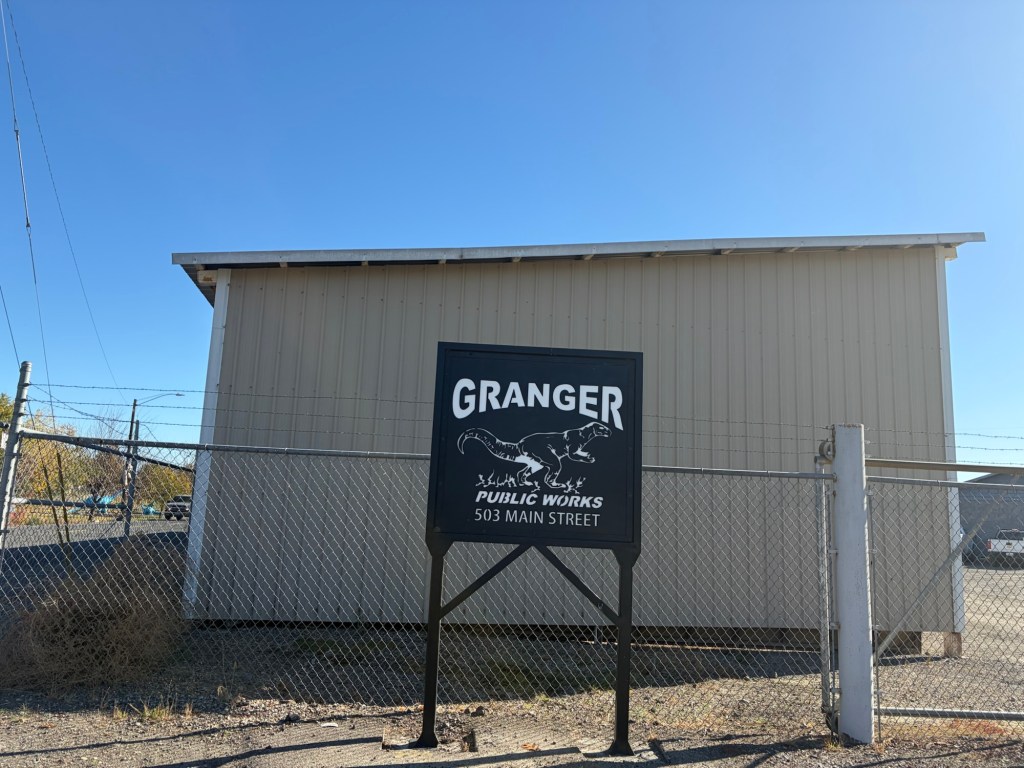
Current $152.36 annual charge per parcel up to one acre would increase 33% to $202.36 if approved by the City Council.
By: Mike Fong and Laura Solis, Lower Valley Matters
At the November 10 Granger City Council workshop, Mayor Hilda González proposed an ordinance to raise irrigation rates by 33% ($50) to cover a gap in service costs. The proposed new rate would be $202.36. The City Council would have to approve the ordinance for it to take effect.
Currently, all parcel owners connected to the irrigation system pay a flat $152.36 a year per parcel up to one acre (and the same amount for each additional acre). Rates were last raised in 2022 from $130 to the current rate.
The Sunnyside Canal irrigation system, which goes back to 1889, was an ambitious project from Granger’s namesake, Walter Granger, to turn arid sagebrush desert into farmland. In the early 1900s, the Federal government bought the 60-mile Sunnyside Canal, and in 1917 the Sunnyside Valley Irrigation District (SVID) was created to manage the system with smaller neighboring jurisdictions like Granger. SVID is responsible for the regional delivery system of irrigation water from the Yakima River while Granger manages the local distribution network of pipes to property owners in town. As a result, residents’ payments for irrigation service are split between SVID and the city.
According to irrigation fund budget documents the Mayor provided to councilmembers, the city is not collecting enough money to cover Granger’s costs for irrigation services. In 2025, the cost for irrigation services was almost $297,000, but the city only collected about $217,000 from ratepayers. $123,000 of the amount collected was paid to SVID to maintain the regional feeder system. The rest did not entirely cover the costs for Granger to operate the local distribution network, such as staff wages, maintenance and repair charges, insurance, and fuel.
This pattern started in 2023, when service costs exploded. That year, administrative wages went up from roughly $11,000 to $45,000; salaries and wages for public works staff went up from $35,000 to $65,000; and medical benefits for staff shot up from $3,800 to over $17,000. By contrast, between 2019-2022, revenues and expenditures for the irrigation fund were reasonably balanced. This problem only worsened in subsequent years, resulting in an irrigation fund deficit of $228,000 by the end of 2025. The 2026 budget reflected cuts to some irrigation service costs to bring the revenues and expenditures back in line, but did not address the deficit of past years.
The proposed $50 increase appears to be intended to help cover the deficit built from 2023-2025 and to better balance revenues and expenses going forward.
Councilmembers discussed how delinquent and past-due accounts have contributed to the shortfall. While not the driver for the city’s annual revenue gap, this factor contributes to the irrigation fund’s financial challenges. There are currently 47 accounts past due (25 in 2026 alone and 22 that have been past due for over a year), resulting in an under-collection of about $24,000.
Councilmember Israel Bustamante encouraged the Mayor to look into the details of a new program in Grandview that gives monthly bill credits to property owners who don’t use irrigation water. The Grandview City Council adopted the new program in November 2025. Councilmember Johnny Isiordia concurred.
You can read about the Grandview irrigation credit program here: https://www.applevalleynewsnow.com/news/some-grandview-residents-to-be-compensated-for-paying-fee-for-irrigation-services-not-received/article_18ab0d71-a49b-4262-9972-a88d06d2af29.html
A final ordinance is not yet in front of the Council for action. You can watch the Council workshop discussion here: https://reflect-midvalley.cablecast.tv/internetchannel/show/1103?site=4


Leave a Reply