By: Mike Fong and Laura Solis, Lower Valley Matters
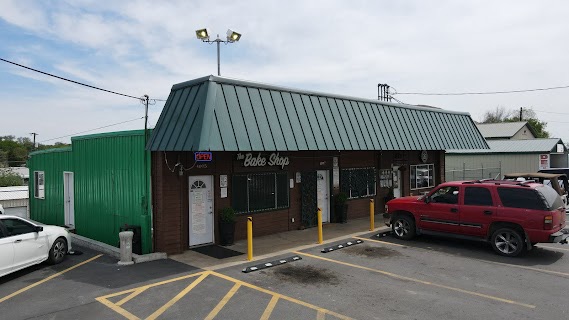
At the September 8 Granger City Council workshop, the Mayor and Councilmembers discussed the mechanics and policy considerations related to allowing grow, process, and retail cannabis operations inside the city to generate tax revenues. Since 2015, Granger has had a land-use moratorium in place that prohibits cannabis businesses (the moratorium may have technically expired, but it continues in effect).
Background. In 2012, Washington State voters approved I-502, which provides for a pathway to license cannabis grow operations, processing facilities, and retail storefronts (or “pot shops”) through the State Liquor and Cannabis Board (LCB). The LCB manages the cannabis economy of the state and monitors the volume of grow, processing, and retail operations. Over the years, the LCB has issued more than 500 retail licenses. Although the LCB is now enforcing a statewide moratorium on the opening of any new retail pot shops, the one pathway through which it continues to issue new retail licenses is the “Social Equity Program.” This program makes licenses available to individuals from communities where the historical enforcement of drug laws has resulted in disproportionately unjust, inequitable, and negative outcomes. Currently there are dozens of social equity licensees that are seeking sites to start new pot shops.
Across the state, there are over 2,300 cannabis licensees operating production and processing facilities as well as pot shops in over 200 cities and 33 counties. According to the LCB, in 2025 over $10 million in cannabis tax remittances were allocated back to these cities simply because they have zoning in place that allows cannabis businesses to operate. That figure does not include the local sales and property taxes collected related to cannabis production, processing, and retail sales.
About 70 cities and 6 counties in the state don’t have any cannabis operations and aren’t eligible for cannabis tax remittances. In Yakima County, only a few cities allow cannabis businesses, including Yakima and Union Gap. Moxee allows growing and processing only.
Granger is among the cities in the Lower Valley with bans still in place.
Council Discussions. At the September 8 workshop, Mayor Hilda González raised rolling back Granger’s cannabis moratorium as a way for the city to pursue tax revenues to help fund city services. According to the Mayor, the LCB had reached out to Granger and other cities with bans in place to provide information and encourage consideration of adopting local ordinances to allow cannabis businesses.
Councilmember Judi Montes clarified that solely lifting the moratorium would not constitute approval of dispensaries in Granger. The City would still need to pass a zoning ordinance for the location of cannabis businesses. The next steps according to Mayor González “…should [the city] decide to move forward with that as a way to bring in revenue [would be to]… work with our land planners [at] YVCOG (Yakima Valley Council of Governments), to help us with designating…and zoning areas.” The Mayor provided members of the Council a sample ordinance from Union Gap and pointed out that Lynnwood and Poulsbo had recently lifted their bans.
Councilmember Juan Isiordia remarked that the buffer zones required by state law may be difficult to meet in Granger. He was referring to a state law specifying that any cannabis business must be at least 1,000 feet away from certain areas, including elementary schools, secondary schools, and playgrounds. However, local governments could adopt ordinances to reduce these buffer zones to 100 feet from certain areas, such as recreation centers, parks, and transit centers.
How much revenue Granger could bring in from cannabis zoning and potential property and sales tax is still unclear but is likely to be the subject of future Council discussions. Councilmember Isiordia noted, “at least we get some kind of profit, because it is a touchy subject. We have our kids, but also the city needs a little bit of relief.”
Several councilmembers raised questions about crime and public safety, including the potential impact on schools, and requested data from the Mayor about the impact of cannabis establishments in other cities to inform future conversations. The Mayor called the subject a “double-edged sword.” She added, “[Granger] would be an actual central point location, right between Union Gap and Prosser, so a lot of the revenue would stay here. On the flip side of that, right to your point, we definitely expose…there’s exposure to accessibility.”
What’s Next. Councilmembers requested that the Mayor obtain more information from other jurisdictions, including Prosser, on revenues and impacts. Councilmember Susie Muñoz requested more crime data and Councilmember Alfredo Reyes requested more information on resources to collaborate with schools and police departments as it relates to cannabis dispensaries and businesses.
At this point, no action is being taken or imminent, but the topic is likely to receive more analysis and deliberation by the Council in the near future.
If you found this article interesting, follow-us at https://www.facebook.com/profile.php?id=61593626991667
View more stories at lowervalleymatters.com

